

How to Be a Lacto Ovo Vegetarian: A Practical Guide
Introduction
Choosing to become a lacto ovo vegetarian is a fantastic way to enjoy a balanced, satisfying diet that supports your health and aligns with compassionate values. Whether you’re new to vegetarianism or seeking sustainable low-carb vegetarian options, this guide will explain just what it means to be a lacto ovo vegetarian, how to structure your meals, and how to make smart choices—so you can thrive without feeling limited.
Why Try a Lacto Ovo Vegetarian or Ovo Vegetarian Diet?
A lacto ovo vegetarian diet includes both dairy products and eggs, making meal planning easy and enjoyable thanks to the wide variety of foods available. Its flexibility allows you to enjoy familiar comfort foods like omelets and yogurt bowls while supporting your overall wellbeing, environmental sustainability, and animal welfare. Plus, embracing ovo vegetarian or low carb vegetarian diets can help you maintain a healthy weight and support long-term heart health.
What is a Lacto Ovo Vegetarian?
In simple terms, a lacto ovo vegetarian eats plant-based foods plus eggs and dairy products, but no meat, poultry, or seafood. If you are ovo vegetarian, you consume eggs but not dairy; if you are lacto vegetarian, you include dairy but avoid eggs. Each approach offers delicious and filling diet options, with lacto ovo being the most inclusive of the three.
Building a Balanced Vegetarian Diet
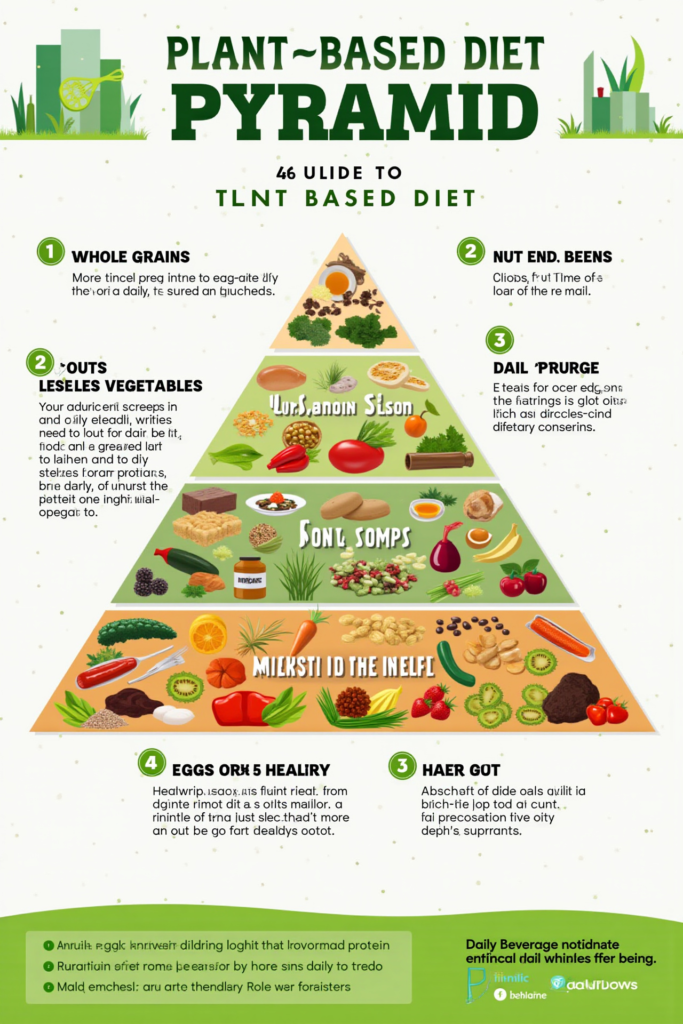
The key to any successful vegetarian lifestyle is variety! Build your meals around:
- Fresh vegetables and fruits
- Whole grains like oats, brown rice, and quinoa
- Plant-based proteins (beans, lentils, tofu, tempeh, seitan)
- Eggs (scrambled, hard-boiled, omelets, frittatas)
- Dairy (milk, cheese, yogurt)
- Healthy fats (avocado, olive oil, nuts, seeds, nut butters)
A low carb vegetarian diet focuses more on leafy greens, non-starchy vegetables, eggs, cheese, and lower-carb legumes and nuts—perfect for those watching their carbohydrate intake.
Ingredients
💡Meal Planning Tip: Save this meal plan to automatically generate an organized shopping list with all ingredients sorted by store section. You’ll streamline grocery trips, avoid food waste, and always have meal options on hand!

How to Begin Your Vegetarian Journey
- Start Slowly: Gradually replace meat with plant-based proteins, eggs, and dairy to allow your palate and routine to adjust.
- Plan Simple Meals: Try easy classics such as veggie omelets, frittatas, yogurt parfaits, bean salads, and roasted vegetable bowls.
- Watch Key Nutrients: Ensure you get enough protein, vitamin B12 (from eggs and dairy), iron (from beans, seeds, dark greens), and omega-3s (chia, flax, walnuts, eggs).
- Experiment: Explore global cuisines—Mediterranean, Indian, and Mexican recipes often feature hearty vegetarian meals based on eggs and dairy.
Weekly Meal Planning
Meal planning is the secret weapon of every successful lacto ovo (or ovo) vegetarian! Save and schedule your meals to plan exactly when to enjoy your favorite dishes, and let smart shopping lists streamline grocery visits.
Planning Benefits:
- Aggregates all ingredients for the week—no forgotten eggs or greens
- Auto-organizes your list by grocery store section
- Lets you prevent duplicate purchases & manage leftovers efficiently
- Helps you easily identify overlap between recipes, so you only buy what you need
Pro tip: Schedule multiple meals in advance—CookifyAI will automatically tally the total eggs, cheese, and produce required for easy, accurate meal prep and minimized waste.
Cook and Prep Times
Prep Time: 10–15 minutes per meal
Cook Time: 15–20 minutes for simple dishes
Total Meal Cook Time (Daily): 30–40 minutes
Recap: How to Thrive on a Lacto Ovo or Ovo Vegetarian Diet
Becoming a lacto ovo vegetarian is about abundance—not restriction. With a bit of planning, you’ll be surprised by the variety of flavorful, nutrient-rich meals you can prepare. Use these handy vegetarian diet guidelines and meal planning tips to make your transition tasty, convenient, and sustainable!